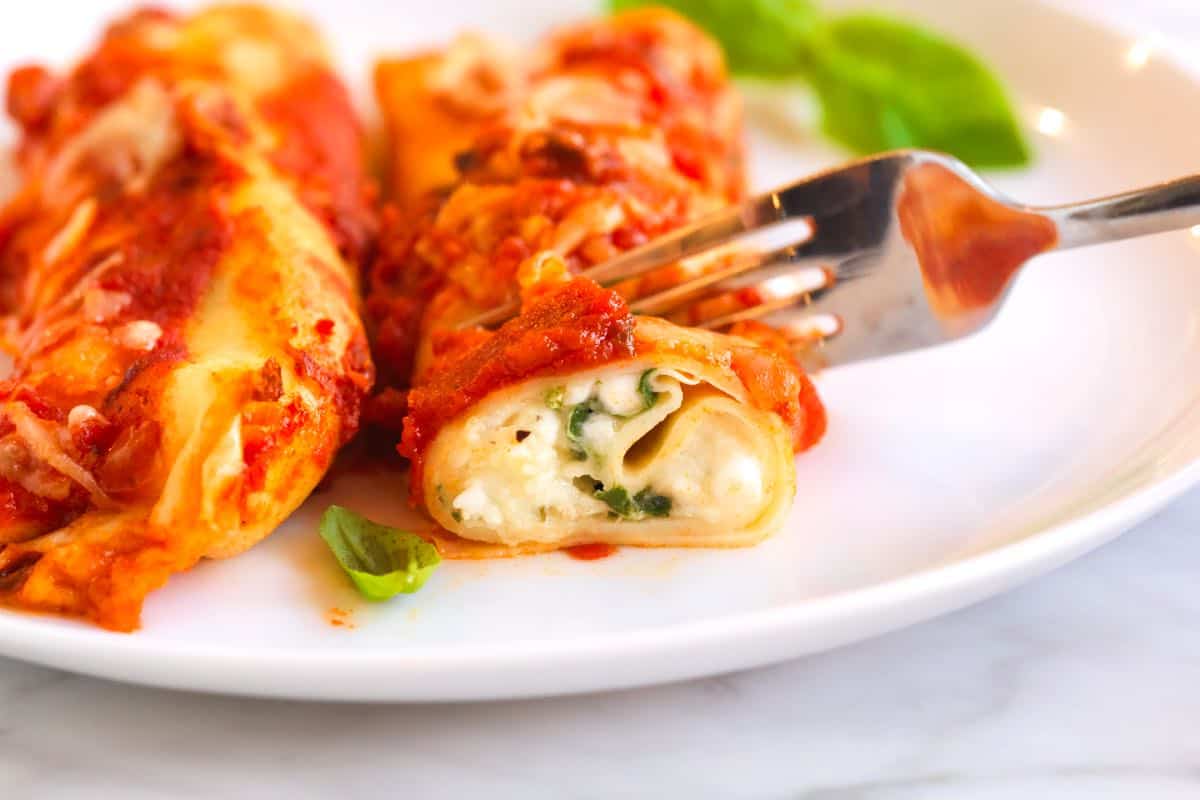
Manicotti Shells vs. Crespelle: Crafting Your Perfect Baked Pasta
There are few dishes that evoke the heartwarming comfort of Italian-American cuisine quite like manicotti. This beloved baked pasta casserole, featuring delicate pasta tubes generously stuffed with a rich, cheesy filling and bathed in a savory marinara sauce, is a timeless classic. Whether gracing a casual weeknight dinner table or making a grand appearance at a holiday feast, a well-made manicotti recipe promises melty cheesiness and irresistible flavor that leaves everyone satisfied. But at the heart of crafting this perfect dish lies a pivotal choice: will you opt for the convenience of store-bought manicotti shells, or embark on the rewarding journey of making homemade crespelle? This article will delve into the nuances of both options, guiding you to create your ultimate baked pasta experience.
Understanding the Manicotti Marvel: A Timeless Italian-American Classic
Manicotti (pronounced: ma·nuh·kaa·tee) translates literally to "little sleeves" in Italian, a fitting description for the large, ridged pasta tubes that are a hallmark of the Americanized adaptation of this dish. While similar in concept to the traditional Italian cannelloni, which typically uses fresh pasta sheets, American manicotti often features pre-formed dried shells. The essence of any good manicotti recipe lies in its simplicity and richness: perfectly cooked pasta encasing a decadent cheese filling, smothered in a vibrant tomato sauce, and baked until bubbling and golden.
Like other iconic Italian-American staples such as Baked Ziti or Spaghetti and Meatballs, manicotti offers a deeply satisfying experience. It's a dish that embodies comfort, making it not just a fantastic meal for your own family, but also an ideal choice for bringing to friends or neighbors during significant life events – a new baby, a recovery from illness, or simply to show you care. The combination of tender pasta, gooey cheese, and aromatic sauce creates a truly family-friendly and universally loved dish that you'll want to make on repeat.
The Great Debate: Store-Bought Manicotti Shells vs. Homemade Crespelle
When it comes to the vessel for your delicious cheese filling, you have two primary paths, each with its own merits. Your choice can significantly impact the final texture and overall experience of your manicotti recipe.
The Convenience of Store-Bought Manicotti Shells
For those prioritizing speed and ease, pre-made manicotti shells are an excellent option. Readily available in most grocery stores, these dried pasta tubes offer a straightforward approach to a classic dish.
* **Pros:**
* **Time-saving:** No need to prepare dough or cook individual crepes.
* **Accessibility:** Found in the pasta aisle of virtually any supermarket.
* **Familiar Texture:** Provides a robust, chewy texture that many associate with classic baked pasta.
* **Cons:**
* **Fragility:** Can sometimes break during boiling or stuffing, requiring careful handling.
* **Stuffing Challenge:** The narrow opening can be tricky to fill without a piping bag.
* **Less Delicate:** The texture, while satisfying, can be thicker and less refined than crespelle.
**Tips for Success with Shells:** To minimize breakage, boil the shells in generously salted water until just *al dente* – they will finish cooking in the oven. Avoid overcooking, as mushy shells are difficult to handle. For easy filling, use a piping bag (a Ziploc bag with the corner snipped works well) or a small spoon to carefully push the filling into each tube.
The Elegance of Homemade Crespelle (Italian Crepes)
If you have a little extra time and a desire to elevate your manicotti recipe to an "extra special" status, homemade crespelle are an absolute game-changer. These thin, delicate, crepe-like pancakes are traditional in true Italian cannelloni and offer a sublime texture that's truly worth the effort.
* **Pros:**
* **Superior Texture:** Light, delicate, and incredibly tender, melting in your mouth with each bite.
* **Enhanced Flavor Absorption:** Their thinness allows them to beautifully absorb the surrounding marinara sauce, creating a more integrated dish.
* **Authenticity:** Closest to the traditional Italian cannelloni experience.
* **Easier to Fill:** Once cooked, they are pliable and easy to spread with filling and roll, much like an enchilada.
* **Cons:**
* **Time Commitment:** Requires making the batter and pan-frying each crespelle.
* **Skill Required:** Frying thin crepes takes a bit of practice, though the batter is very forgiving.
**Crespelle Ingredients:** All-purpose flour, milk, eggs, melted butter, salt, and pepper are all you need. The batter comes together quickly and easily.
**Making Crespelle:** Whisk the ingredients until smooth. Heat a lightly greased non-stick pan (about 8-10 inches) over medium heat. Pour a small amount of batter, swirling to coat the bottom thinly. Cook for about 1-2 minutes per side until lightly golden. Stack them as you go. The light yet sturdy sheets are then ready for filling and rolling. While it adds a step, the delicate mouthfeel and rich flavor absorption of crespelle truly make for the best manicotti experience.
Beyond the Shell: Crafting the Perfect Manicotti Filling
Regardless of your chosen pasta vessel, the heart of any exceptional manicotti recipe lies in its creamy, flavorful filling. A classic three-cheese blend forms the foundation, often enhanced with other delicious additions.
* **The Cheese Trio:**
* **Ricotta or Cottage Cheese:** Traditionally, ricotta is used for its creamy texture. However, many home cooks, myself included, have discovered the magic of cottage cheese! It provides a wonderfully creamy, rich, and non-grainy texture that some find superior to certain brands of ricotta. Both work beautifully, so choose your preference.
* **Mozzarella:** Essential for that signature melty, gooey stretch that makes baked pasta so irresistible. Shredded low-moisture, part-skim mozzarella is ideal.
* **Parmesan (or Parmigiano-Reggiano):** Adds a sharp, salty, umami depth that elevates the entire dish. If possible, opt for freshly grated Parmigiano-Reggiano. For vegetarians, various vegetarian-friendly hard cheeses, such as melty Fontina, can be excellent substitutes.
* **Spinach (Highly Recommended):** Adding quickly wilted and chopped baby spinach to your cheese filling not only boosts nutrition but also introduces a lovely hint of earthy flavor and vibrant color. Sautéing it briefly in a bit of olive oil or simply blanching it, then squeezing out excess moisture, ensures it integrates perfectly without making the filling watery.
* **Flavor Boosters:** Don't forget fresh herbs like chopped parsley or basil, a pinch of nutmeg (a classic Italian pairing with spinach and cheese), and often an egg, which acts as a binder, helping the filling hold its shape during baking.
Assembling and Baking Your Manicotti Masterpiece
Once your shells or crespelle are ready and your filling is mixed, it’s time to bring your manicotti recipe to life.
1. **Prepare Your Sauce:** A rich, flavorful red pasta sauce is crucial. While a good quality store-bought marinara can save time, opting for a homemade
easy pasta sauce or marinara will undoubtedly deepen the flavors. Spread a thin layer of sauce at the bottom of your baking dish.
2. **Fill and Arrange:** Carefully fill each manicotti shell or crespelle with the cheese mixture. If using crespelle, spread the filling evenly over one side, then roll it up tightly. Arrange the filled pasta in a single layer in your prepared baking dish.
3. **Layer and Top:** Pour the remaining marinara sauce evenly over the filled manicotti. Finish with a generous sprinkling of shredded mozzarella and more grated Parmesan. This creates that irresistible golden, bubbly cheese crust.
4. **Bake to Perfection:** Cover the baking dish with foil and bake in a preheated oven. The foil traps steam, ensuring the pasta cooks through and the cheese melts beautifully without drying out. For the last 10-15 minutes, remove the foil to allow the cheese to brown and bubble into a glorious crust. Let your
Easy 3-Cheese Manicotti: Perfect Pasta Casserole for Any Meal rest for 10-15 minutes after baking before serving; this allows the casserole to set and prevents the filling from oozing out.
Why Manicotti is More Than Just a Meal
Manicotti isn't just a dish; it's an experience. It's the quintessential comfort food – hearty, cheesy, and deeply satisfying. It represents the warmth of home cooking, the joy of sharing a meal with loved ones, and the simple pleasure of authentic Italian-American flavors. Whether you choose the quick convenience of store-bought shells or embrace the culinary artistry of homemade crespelle, crafting your own
Cheesy Manicotti Comfort: A Family-Friendly Italian Classic is a rewarding endeavor. The slight variation in texture between the two options allows you to tailor this classic dish to your taste and time constraints, ensuring that every bite is exactly what you envisioned for your perfect baked pasta. So, roll up your sleeves, decide on your shell, and prepare to delight in a truly extraordinary meal.